Top 10 Applications of DC Motors in Modern Industries?
DC motors have become integral in various modern industries. Their versatility allows for precise control in multiple applications. From manufacturing to robotics, the role of a DC motor in these sectors is undeniable.
These motors are known for their efficient performance. They provide consistent torque and speed control. This efficiency is crucial in production lines where timing is critical. Improper motor selection can lead to inefficiencies. The common challenges include overheating and excessive wear.
Moreover, advancements in technology enhance DC motors' capabilities. Innovations have led to better energy management. These improvements help industries reduce costs while increasing productivity. However, as we rely more on automation, understanding these technologies is essential for future developments.
Applications of DC Motors in Automation and Robotics
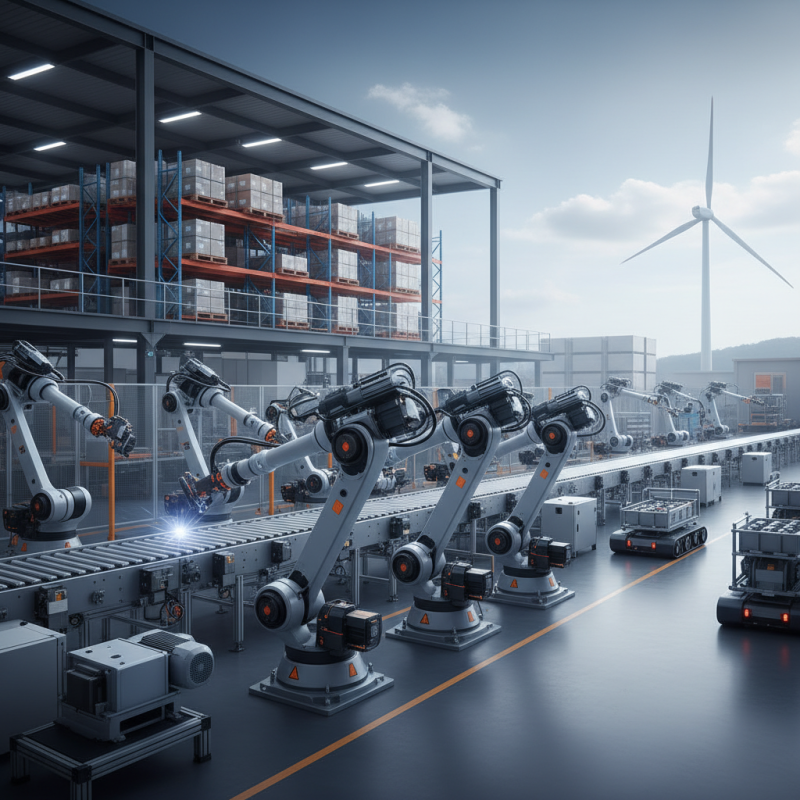
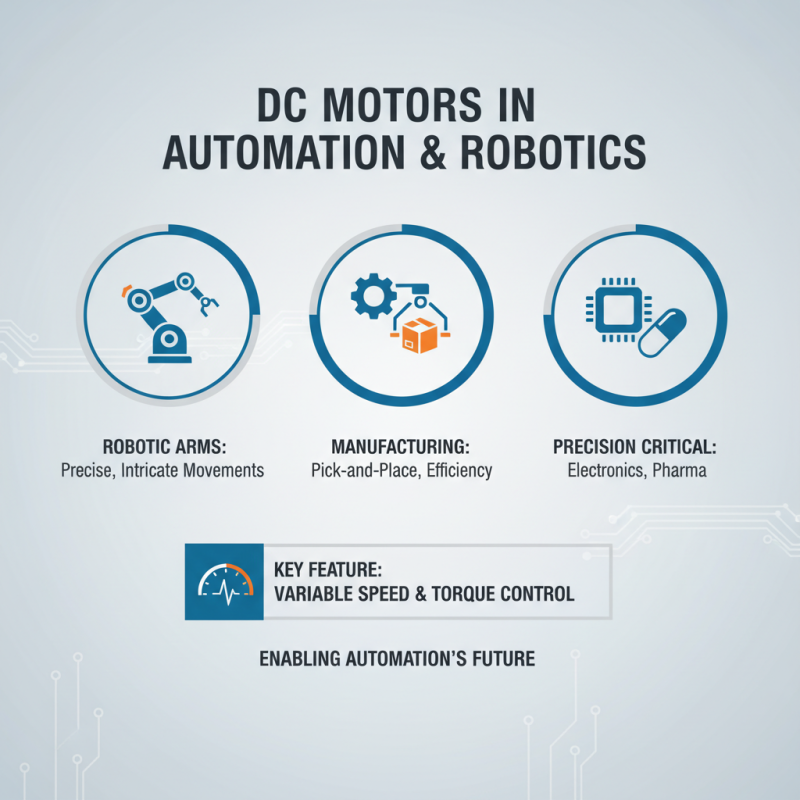
DC motors play a crucial role in automation and robotics. Their ability to provide precise control makes them ideal for various applications. In robotic arms, DC motors facilitate intricate movements. They enable pick-and-place operations in manufacturing, enhancing efficiency and accuracy. This precision is vital in sectors like electronics and pharmaceuticals, where small tolerances matter.
In automation, DC motors drive conveyor systems. These systems transport materials in factories, requiring reliability and speed. DC motors allow for variable speed control, adapting to different payloads. However, not every application achieves optimal performance. Overheating and wear can occur if not managed properly. Manufacturers must consider these factors when integrating DC motors into their systems.
Additionally, DC motors are integral to mobile robotics. They power autonomous vehicles and drones, providing vital thrust and maneuverability. Yet, the challenge lies in battery management and energy consumption. Engineers must balance performance with efficiency, striving for improvements. This ongoing evaluation drives innovation and can reveal new insights about DC motors in robotics and automation.
Role of DC Motors in Electric Vehicles and Transportation
DC motors play a crucial role in the electrification of transportation. They provide efficient and reliable power, which is essential for electric vehicles (EVs). Current reports show that over 10 million electric cars were sold globally in 2022. The rising demand for EVs directly impacts the need for advanced motor technologies.
In urban settings, DC motors offer excellent torque and speed control. This capability is vital for applications like electric buses and scooters. Studies indicate that DC motors can improve energy efficiency by up to 30%. Such improvements can lead to significant reductions in operational costs.
However, challenges remain. The performance of DC motors can vary based on design and manufacturing quality. Additionally, the need for maintenance can be a concern in certain environments. Manufacturers are tasked with addressing these issues while meeting safety standards. Efforts to mitigate drawbacks are ongoing and essential for future advancements in transportation.
Top 10 Applications of DC Motors in Modern Industries
DC Motors in Industrial Machinery and Equipment
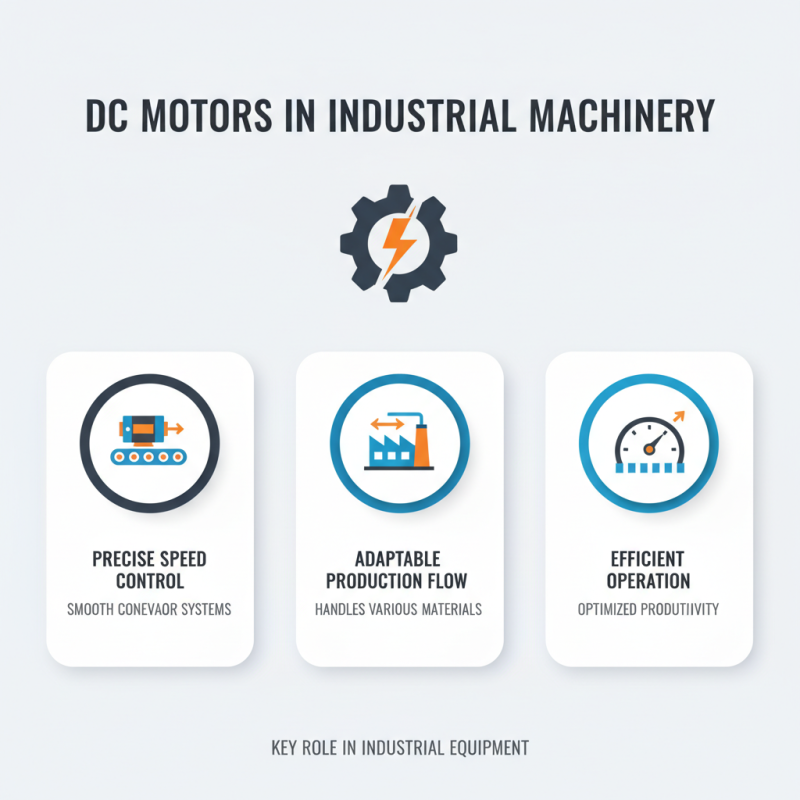
DC motors play a crucial role in industrial machinery and equipment. Their ability to provide precise speed control makes them ideal for various applications. In conveyor systems, they enable smooth and efficient operation. Adjusting speed is vital for handling different materials and maintaining production flow.
Another significant application is in robotics, where DC motors drive joint movements. They offer quick response times and high torque, essential for tasks like assembly and packaging. However, the performance can vary based on load conditions. Proper calibration and maintenance are key to optimizing their effectiveness.
In material handling, DC motors power lifting devices and hoists. Their reliability is crucial in high-load scenarios. Yet, they require routine checks to avoid failures. Ensuring adequate cooling and lubrication can help mitigate wear and tear. Focusing on these aspects can enhance both efficiency and safety in operations.
Usage of DC Motors in Consumer Electronics
DC motors are pivotal in consumer electronics, powering various devices we use daily. According to a report by Allied Market Research, the global DC motor market is projected to reach over $9 billion by 2027. This growth is driven by the increasing demand for compact and efficient motor solutions.
Common applications of DC motors in consumer electronics include electric toothbrushes, hair dryers, and gaming consoles. These motors are favored for their ability to provide precise speed control and their compact size. For instance, in electric toothbrushes, DC motors enable rapid movements for effective cleaning. The efficiency of these motors can lead to longer battery life, appealing to eco-conscious consumers.
However, the reliance on DC motors isn't without challenges. Manufacturers must consider factors like heat generation and maintenance. High power consumption remains a concern, particularly as devices become more advanced. Balancing performance with energy efficiency is key. The industry must also explore alternatives to ensure sustainability while meeting consumer expectations.
DC Motors for Renewable Energy Solutions and Wind Turbines
DC motors play a crucial role in renewable energy solutions, particularly in wind turbines. These motors provide precise control and efficiency, making them ideal for variable wind conditions. According to a report by the International Renewable Energy Agency, wind energy accounted for about 6% of global electricity generation in 2021, highlighting the growing importance of efficient motor systems in harnessing wind power.
In wind turbines, DC motors are often employed for adjustments in blade pitch and yaw control. These functions are critical for maintaining optimal performance as wind speeds change. A study from the American Wind Energy Association noted that improving turbine efficiency by just 1% can significantly boost energy output. DC motors facilitate this by ensuring rapid response times and reliability in mechanical adjustments.
However, reliance on DC motors also presents challenges. The need for regular maintenance is a concern due to possible wear and tear. Furthermore, integrating smart technologies with DC motors poses additional complexity. This complexity requires skilled technicians for both installation and upkeep, raising operational costs. Balancing efficiency with maintenance demands is an ongoing topic of discussion in the industry.
Top 10 Applications of DC Motors in Modern Industries
| Application |
Industry |
Description |
Key Benefits |
| Electric Vehicles |
Automotive |
Utilized for traction and control in electric and hybrid vehicles. |
High efficiency, torque control, and regenerative braking. |
| Wind Turbines |
Renewable Energy |
Convert wind energy into mechanical power. |
Sustainable energy generation and low maintenance. |
| Robotics |
Manufacturing |
Drive actuators and motors in robotic arms. |
Precise control and flexibility in operations. |
| Conveyor Systems |
Logistics |
Transport materials in manufacturing and distribution. |
Increased productivity and reduced labor costs. |
| Home Appliances |
Consumer Electronics |
Power various appliances like washing machines and fans. |
Energy efficiency and reliability. |
| Medical Equipment |
Healthcare |
Drive motors in surgical robots and imaging devices. |
High precision and control during operations. |
| Aerospace Applications |
Aerospace |
Systems including control surfaces and landing gear. |
Weight efficiency and durability. |
| Textile Machines |
Textile Manufacturing |
Control motors for shredders, looms, and spinners. |
Enhanced control over fabric creation processes. |
| Pumps and Fans |
Various Industries |
Drive fluid pumps and ventilation fans. |
Efficiency in moving fluids in any setup. |
| Power Tools |
Construction and DIY |
Drive various handheld tools like drills and saws. |
Portability and ease of use. |