How to Choose the Right PMSM Motor for Your Project?
Choosing the right PMSM motor for your project is crucial. The decision can impact efficiency, cost, and overall performance. Expert Dr. Lisa Chen, a leading authority in electric motors, once stated, “Selecting the right PMSM motor can make or break your project's success.” This statement emphasizes the importance of careful evaluation.
PMSM motors, known for their high efficiency and reliability, come in various types and specifications. It's essential to understand your project's specific needs. Factors include torque requirements, size constraints, and environmental conditions. Each project presents unique challenges that can complicate selection.
Choosing a PMSM motor is not always straightforward. Many users struggle with technical jargon and specifications. It's easy to overlook crucial details in motor performance data. A comprehensive understanding of the application can lead to better decisions. A reliable PMSM motor can lead to improved functionality and energy savings, making the effort worthwhile.
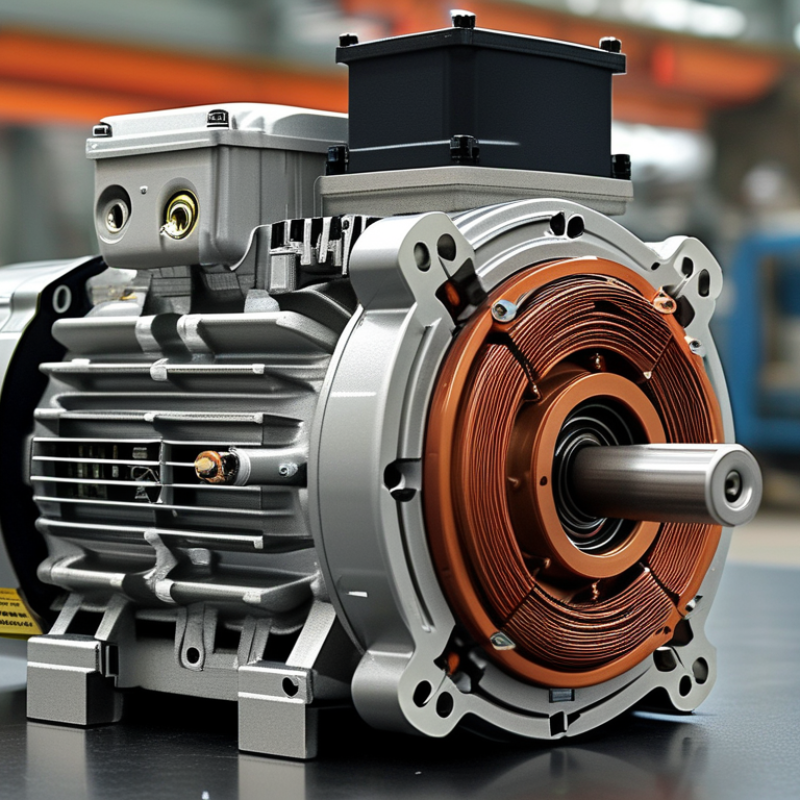
Understanding Permanent Magnet Synchronous Motors (PMSM) Basics
Permanent Magnet Synchronous Motors (PMSMs) are becoming a popular choice in various industries. Their efficiency and performance are critical in applications like electric vehicles and industrial automation. A recent industry report highlights that the global PMSM market is projected to reach $4.6 billion by 2026, driven by increased demand for energy-efficient systems.
Understanding PMSMs starts with acknowledging their key components. Permanent magnets in the rotor create a consistent magnetic field, unlike induction motors. This design allows for higher torque densities and efficient operation at various speeds. Many applications benefit from these features, but it is crucial to assess each specific use case. Not all PMSMs accommodate high overload situations well. Factors such as heat dissipation and thermal management can impact reliability.
When selecting a PMSM for your project, consider factors like size, weight, and power needs. A motor that is too large can lead to unnecessary costs. If the motor lacks sufficient torque, it may not meet performance targets. Additionally, the controller compatibility is important. Without a properly matched controller, performance can suffer. Selecting the right PMSM requires careful deliberation of these details. Each project varies, and it is crucial to ensure that the chosen motor aligns with specific technical requirements and operational conditions.
Identifying Key Application Requirements for Your PMSM Motor
Choosing the right Permanent Magnet Synchronous Motor (PMSM) for your project hinges significantly on identifying key application requirements. Understanding these requirements is crucial. Factors such as torque, speed, and efficiency play a vital role in motor selection. According to a report by the International Electrotechnical Commission, PMSMs can achieve efficiencies over 95%, making them ideal for demanding applications.
Next, consider the operational environment. For instance, if the motor will be exposed to harsh conditions, selecting a robust housing and efficient cooling systems is essential. Applications in automotive or aerospace sectors often necessitate higher durability standards. A recent study found that 40% of failures in electric motors are linked to improper environmental factors. Analyzing conditions such as temperature, humidity, and vibration levels can guide you in making an informed decision.
Power requirements are also critical. Evaluate the voltage and current specifications needed for your project. One survey indicated that more than 30% of industrial projects underestimate power needs, leading to inefficient performance. Additionally, understanding the control methods available for PMSMs is vital. Sensorless control can save costs, but may compromise performance in certain scenarios. Balancing these elements ensures better integration and functional success in your applications.
How to Choose the Right PMSM Motor for Your Project?
This chart illustrates the key application requirements for selecting the appropriate Permanent Magnet Synchronous Motor (PMSM) for a project. The specifications displayed include power rating, efficiency, torque, RPM, and cost. Understanding these metrics can help in making an informed decision for your specific project needs.
Evaluating Technical Specifications and Performance Ratings of PMSM
When selecting a Permanent Magnet Synchronous Motor (PMSM), technical specifications play a crucial role. Key factors include torque, speed, and efficiency ratings. Each application demands different performance criteria. For example, high-speed applications require motors with exceptional torque characteristics. Evaluate the maximum speed and operating range to match your specific needs.
Understanding efficiency ratings is equally important. High efficiency can lead to substantial energy savings over time. However, a motor that is highly efficient at one speed may not perform well at another. This is something to consider during evaluation. Look at the efficiency curve provided in the specifications. It reveals how efficiently the motor operates across different loads.
Another aspect is thermal performance. Some motors may overheat under continuous load. Conduct a thorough thermal analysis to ensure reliability. Assess how well the motor dissipates heat. If a motor consistently operates at elevated temperatures, it may reduce its lifespan. Gather data from different sources to ensure that you are making an informed decision.
Comparing Different Types of PMSM Motors for Project Needs
Choosing the right Permanent Magnet Synchronous Motor (PMSM) involves understanding key differences among available types. Two primary categories are surface-mounted and interior PMSMs. Surface-mounted motors offer higher torque density and efficiency. They are ideal for applications requiring rapid acceleration. In fact, reports suggest that these motors can achieve up to 95% electrical efficiency in optimal conditions.
Conversely, interior PMSMs excel in applications needing high-speed stability. These motors have better thermal management due to their construction. A study highlighted that 65% of industrial applications favored interior PMSMs for their robustness in varying temperatures. This makes them suitable for environments with fluctuating thermal conditions. It’s critical to assess your project requirements, such as load characteristics and operational environment, when selecting between these options.
One potential pitfall in choosing PMSMs is overlooking the control system compatibility. Not every motor type pairs well with all controllers. This mismatch can lead to efficiency drops. As noted in industry assessments, approximately 30% of projects report integrating motors that were ultimately suboptimal for their control systems. A balanced approach, emphasizing both motor attributes and system integration, ensures better performance outcomes. Understanding these nuances is essential for an informed selection process.
Budgeting and Cost Considerations When Selecting a PMSM Motor
When selecting a Permanent Magnet Synchronous Motor (PMSM), budgeting is critical. Costs can vary significantly based on specifications. Consider basic costs, production expenses, and additional features. A high-performance motor may seem attractive, yet it can strain budgets. Assessing the total cost of ownership is essential. This includes installation, maintenance, and potential downtime expenses. An inexpensive motor might lead to higher operational costs over time.
Energy efficiency is another factor impacting overall costs. A motor that consumes less energy could save money in the long run. However, it may come with a higher upfront price. Buyers often overlook the energy performance rating when focusing solely on initial costs. Projects with extensive usage should prioritize energy efficiency despite initial investments.
Lastly, consider the potential for future upgrades. Investing in a motor that facilitates scalability can reduce future expenses. However, the complex features may not always justify the price. Reflecting on the specific needs of your project is vital. Balancing cost with performance often requires careful thought and trade-offs. Being aware of hidden costs will help make informed decisions.
How to Choose the Right PMSM Motor for Your Project? - Budgeting and Cost Considerations When Selecting a PMSM Motor
| Motor Type |
Rated Power (kW) |
Voltage (V) |
Torque (Nm) |
Cost Estimate ($) |
Application |
| Surface Mount PMSM |
5 |
400 |
12 |
1500 |
Robotics |
| Interior Permanent Magnet Motor |
10 |
400 |
25 |
2500 |
Electric Vehicles |
| Axial Flux Motor |
3 |
300 |
8 |
1200 |
Drones |
| Radial Flux Motor |
15 |
480 |
40 |
3500 |
Industrial Applications |