How to Choose the Right Gear Motor for Your Needs?
Choosing the right gear motor is crucial for optimizing performance in various applications. According to a recent market research report, the global gear motor market is expected to reach USD 10.72 billion by 2025, growing at a CAGR of 6.3%. This growth is largely driven by industries such as automotive, food processing, and renewable energy. As such, selecting the right gear motor can significantly impact operational efficiency and equipment longevity.
Different applications demand different specifications. For instance, a high-torque gear motor may be needed for heavy machinery, while a compact design might be ideal for robotics. Additionally, the efficiency of gear motors can vary widely. Reports indicate that well-chosen gear motors can achieve efficiencies of over 90%. However, improper selection can lead to reduced performance and increased energy costs, highlighting the importance of informed decision-making.
In this complex landscape, understanding the technical specifications, application requirements, and cost efficiency of gear motors is essential. Moreover, seeking advice from industry experts can lead to better choices. It's important to reflect on one's own operational needs and the specific demands of individual projects. This self-inquiry can help ensure that the selected gear motor aligns perfectly with specific requirements.
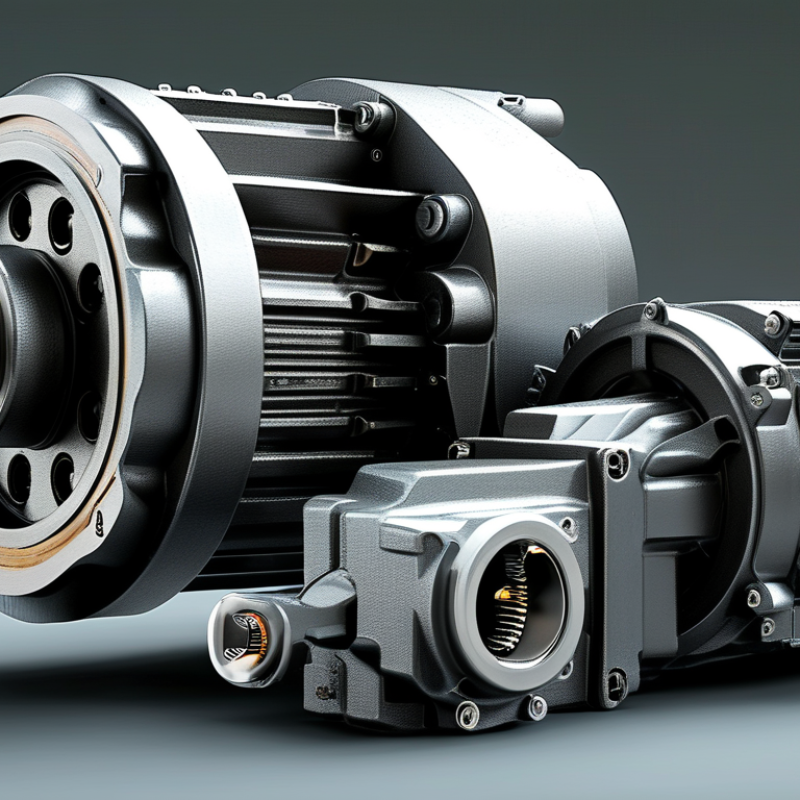
Understanding Gear Motors: Types and Applications
Gear motors play a vital role in numerous applications, ranging from industrial automation to robotics. Understanding the different types of gear motors is crucial for selecting the right one for your projects. There are two primary types to consider: DC gear motors and AC gear motors. DC gear motors are often preferred for applications that require precise control and variable speed. In contrast, AC gear motors excel in high-torque and continuous operation scenarios.
According to a market research report by Grand View Research, the global gear motor market is projected to reach USD 29.84 billion by 2025, growing at a CAGR of 5.6%. This growth reflects the increasing demand for energy-efficient solutions across various industries, including healthcare and packaging. For instance, precision is key in healthcare equipment where gear motors drive critical movements. Yet, the selection process isn't always straightforward. Factors like load requirements, speed, and space constraints can make it challenging to find the perfect match.
Additionally, applications may vary widely even within the same industry. A gear motor suitable for a conveyor belt might not work well for a robotic arm. Understanding these nuances is essential. Poor choices lead to inefficiencies and increased operational costs. Industry professionals often emphasize the importance of detailed specifications and testing before finalizing a gear motor. This level of diligence ensures reliability and optimal performance in the field.
Evaluating Your Power and Torque Requirements
When evaluating your power and torque requirements for a gear motor, it’s essential to consider your specific application. Start by determining the load that the motor will need to move. This step is crucial because different tasks will require different amounts of torque. If your load is too heavy and the motor is not suitable, the results can be detrimental. The gear motor may overheat or fail prematurely.
Next, take note of the speed needed for your application. High torque usually comes at lower speeds, while higher speeds can result in lower torque. Balancing these parameters is key. Consider a scenario where a motor operates a conveyor belt. If the belt moves too fast, it may not carry the load effectively, leading to disruptions. Adjustments to gear ratios may help in achieving the desired speed and torque balance.
Don't underestimate the importance of these evaluations. Inappropriate choices can lead to inefficiency. It's worth reflecting on past decisions that resulted in mechanical failures. When you pinpoint your power and torque needs accurately, you can enhance the overall performance of your project. Remember that testing various configurations before making final decisions can save valuable resources.
How to Choose the Right Gear Motor for Your Needs? - Evaluating Your Power and Torque Requirements
| Motor Type |
Power (W) |
Torque (Nm) |
Voltage (V) |
Speed (RPM) |
| DC Gear Motor |
50 |
0.2 |
12 |
100 |
| AC Gear Motor |
150 |
0.5 |
230 |
1500 |
| Stepper Motor |
75 |
0.3 |
24 |
200 |
| Servo Motor |
90 |
0.4 |
48 |
3000 |
| Brushless Motor |
200 |
1.0 |
36 |
4500 |
Key Features to Consider in Gear Motor Selection
Choosing the right gear motor can significantly impact your project's efficiency. One key feature to consider is torque. Evaluate how much torque you need for your application. Higher torque translates to better performance, especially in heavy-duty tasks. A mismatch in torque can lead to mechanical failure or inefficient operation.
Another important aspect is the motor’s speed. Determine the optimal speed required for your process. Too fast can lead to wear and tear, while too slow may not fulfill your needs. Balancing these factors often involves trial and error. It may take time to find the sweet spot.
Tip: Always consider the environment where the motor will be used. Factors like temperature, humidity, and dust can affect performance. Consider motors with protective features for outdoor or harsh conditions. Regular maintenance checks can also be beneficial to prolong the motor's life. Understanding these features will ensure you choose a gear motor that meets your specific requirements effectively.
Assessing Efficiency and Speed Control Options
Choosing the right gear motor involves various factors, especially when it comes to efficiency and speed control. Efficiency is measured in how well a motor converts electrical energy into mechanical energy. According to recent industry reports, high-efficiency gear motors can achieve up to 90% efficiency in optimal conditions. This efficiency translates into reduced operational costs and prolonged motor lifespan, making it essential to consider when selecting your gear motor.
Speed control options are vital for applications requiring precision. Modern gear motors offer various control methods, including variable frequency drives (VFDs) and servo drives. These technologies allow you to adjust the motor’s speed and torque to meet specific application needs. Research indicates that systems using VFDs can improve energy savings by 30-50% compared to fixed-speed systems. However, the complexity of implementing these systems can be a drawback, requiring careful planning and expertise.
When assessing different gear motors, it’s crucial to consider the specific requirements of your application. While high efficiency and adjustable speed are desirable, the initial investment and maintenance challenges can lead to complications. You should weigh the potential long-term benefits against the upfront costs to make a well-informed decision. Make sure to analyze the trade-offs and consult industry experts for tailored advice.
Budgeting for Your Gear Motor Purchase and Maintenance Costs
When budgeting for a gear motor, consider both initial purchase costs and ongoing maintenance expenses. The upfront cost of the motor itself is just the beginning. Additional factors include installation fees, which may vary based on complexity. Make a financial plan that accounts for these different expenses. This way, you can avoid unpleasant surprises later.
Maintenance is often overlooked but crucial for a gear motor's longevity. Regular check-ups can prevent costly breakdowns down the road. Factor in periodic servicing, which could include oil changes or parts replacements. This not only extends the motor's life but also ensures it operates at peak efficiency.
Reflect on your operational needs. Can your budget accommodate repairs or downtime? Understanding your specific applications helps in making smarter financial decisions. Investing in quality may cost more upfront, but it can save money over time. Ultimately, a well-planned budget can lead to better performance and satisfaction with your gear motor choice.