Why Choosing the Right Motor Type Matters for Your Business?
Choosing the right Motor Type is crucial for any business that relies on machinery. According to Dr. James H. Turner, an industry expert, “The right Motor Type can dramatically affect efficiency and performance.” Selecting the appropriate motor is not just about fitting a motor to machinery; it involves understanding the specific demands of operations.
Many businesses overlook key details when choosing a Motor Type. This can lead to inefficiencies and increased operational costs. For instance, an incorrect choice may result in overheating or excessive energy consumption. These mistakes are often costly and difficult to rectify later on.
Understanding your operational needs is essential. Not all motor types are created equal, and what works for one application may not suit another. Industry standards are continually evolving, and keeping up-to-date is vital. A preference for the latest technology might lead to hasty decisions that don’t address practical needs.
Importance of Motor Type Selection in Industrial Applications
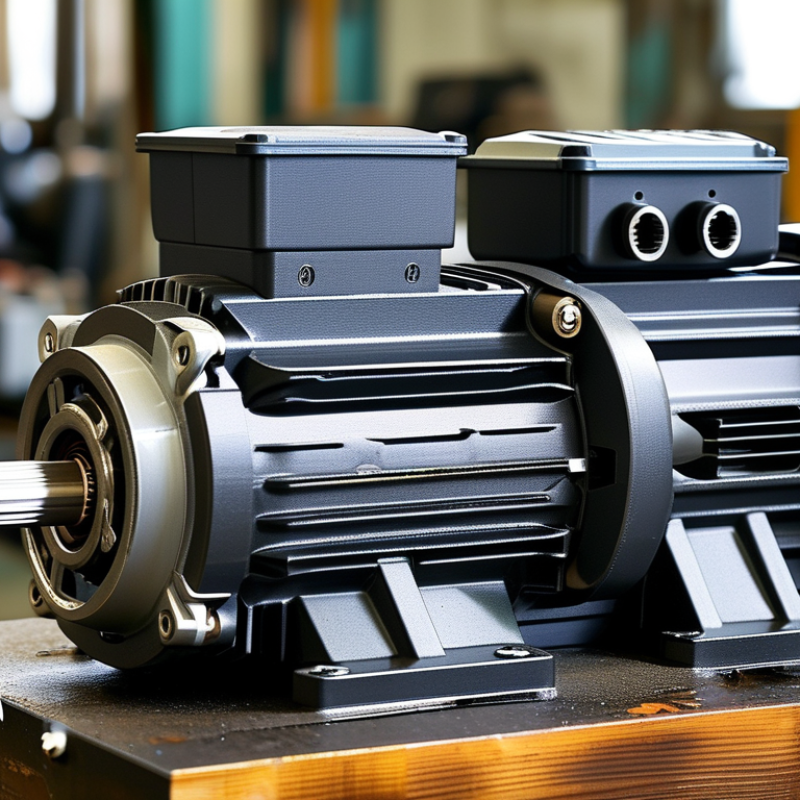
Selecting the appropriate motor type plays a crucial role in industrial applications. Different motors have varying characteristics that influence performance, efficiency, and overall system functionality. For example, AC motors are typically used for high-speed operations, while DC motors may be preferred for tasks requiring fine control. Understanding these differences can lead to better decision-making.
Every industrial environment has unique demands. For instance, a high-torque application may require a specific type of motor to ensure optimal performance. Misjudgments in motor selection can lead to increased downtime and costly repairs. It’s essential to analyze operational needs carefully.
In some cases, businesses focus solely on initial costs. This mindset can overlook long-term efficiency. An undervalued aspect, such as energy consumption, can significantly impact operational costs over time. Taking a step back to reassess motor choices might provide clarity and reveal better options for a specific application.
Impact of Motor Efficiency on Operational Costs and Productivity
Choosing the right motor type can significantly impact operational costs and productivity. Motor efficiency directly relates to the energy consumed in operations. Efficient motors consume less power, translating to lower utility bills. For businesses with large machinery, even slight differences in efficiency can lead to substantial savings over time.
Tips: Regularly monitor your energy consumption. Identify any trends or spikes that may indicate inefficiencies. Consider upgrading older motors, as new technologies often provide better efficiency.
Improper motor selection can also lead to unexpected downtime. When motors aren't matched to their specific applications, they can experience failures. This not only disrupts operations but also incurs repair costs. A thoughtful analysis of your specific needs is crucial.
Tips: Prioritize your requirements carefully. Factor in load demands and duty cycles when making selections. Sometimes, a less expensive initial motor may cost more in the long run due to inefficiencies. Always consult with experts for tailored advice.
Comparative Analysis of AC and DC Motors in Various Industries
When it comes to selecting motors for industrial applications, understanding the differences between AC and DC motors is vital. AC motors are generally more efficient for high-power applications. They excel in scenarios requiring consistent speed and high torque. Industries like manufacturing and HVAC heavily rely on AC motors for their reliability. These motors can handle larger loads and operate over long periods without significant maintenance.
On the other hand, DC motors offer unique advantages in specific contexts. They provide precise speed control and quick acceleration. This makes them well-suited for robotics and conveyor systems. However, they may require more maintenance due to commutator wear. The choice between these two types also depends on energy needs and operational costs, which can vary greatly across industries.
In many instances, the installation process can be challenging for both motor types. Users must consider their existing infrastructure and energy sources. The decision is often influenced by factors that may not be immediately obvious. Costs can fluctuate based on the current market, affecting long-term investment viability. Therefore, businesses need to engage in thorough analysis before choosing. Each option presents its strengths and weaknesses, warranting careful reflection on application requirements.
Understanding Torque and Speed Characteristics for Application Fit
Selecting the appropriate motor type is crucial for optimizing performance in industrial applications. Understanding torque and speed characteristics can significantly impact operational efficiency. Torque refers to the rotational force the motor can produce. It directly affects how quickly your machinery can start and stop. For example, a high-torque motor is essential for heavy-load applications, while low-torque motors are suitable for lighter tasks.
Speed is another critical factor. Different applications require motors that can operate at various speeds. For example, conveyor systems may need consistent speed for material handling. If the motor speed fluctuates, it can lead to malfunctions or inefficiencies. The right balance between torque and speed often requires a thoughtful examination of the specific application needs.
Many businesses overlook these characteristics, assuming that all motors are interchangeable. This can lead to subpar performance and increased maintenance costs. It’s essential to analyze your operation’s unique requirements to prevent future complications and inefficiencies. Reflecting on past experiences can guide better decision-making for motor selection.
Why Choosing the Right Motor Type Matters for Your Business? - Understanding Torque and Speed Characteristics for Application Fit
| Motor Type |
Torque (Nm) |
Speed (RPM) |
Efficiency (%) |
Application Fit |
| DC Motor |
2.5 |
3000 |
85 |
Robotics |
| AC Induction Motor |
5.0 |
1500 |
92 |
Industrial Drives |
| Stepper Motor |
1.2 |
2000 |
75 |
3D Printing |
| Brushless Motor |
4.0 |
6000 |
90 |
Electric Vehicles |
| Synchronous Motor |
6.5 |
1000 |
87 |
Centrifuges |
Latest Trends in Motor Technology and Their Business Implications
In today’s fast-paced industrial landscape, motor technology is continuously evolving. Companies must stay updated on the latest advancements to remain competitive. Electric motors, for example, are gaining traction due to their energy efficiency and reduced environmental impact. Businesses can significantly lower operating costs by investing in modern motor types.
Understanding the type of motor best suited for your operations can yield substantial benefits. For instance, brushless motors offer longevity and require less maintenance compared to traditional brushed motors. Choosing the right motor can enhance performance, especially in applications requiring precision.
**Tips:**
Evaluate your specific needs. Identify the torque and speed requirements for your applications.
Consider future scalability. Will your motor choice meet growing demand?
Additionally, organizations need to be mindful of how these technologies integrate with existing systems. Sometimes, a seemingly perfect motor may create compatibility issues. This not only affects performance but can lead to costly downtime. Regularly reassess your motor technology choices to ensure alignment with your strategic goals.