How to Choose the Best Pmdc Motor for Your Needs?
Choosing the right PMDC Motor is crucial for efficiency and reliability in various applications. According to Dr. John Smith, a leading expert in electric motor design, "Selecting the optimal PMDC Motor can significantly enhance performance metrics." With a range of options available, identifying the right specifications matters greatly.
Focus on the motor's voltage, torque, and speed. Each factor influences performance in unique ways. For instance, a lower voltage may suffice for small devices, while high torque and speed are essential for industrial machinery. Your specific requirements dictate these choices.
However, it's essential to acknowledge that no single motor fits all needs perfectly. Expectations can sometimes outpace reality. Understanding potential limitations is vital. Consider factors like environmental conditions and maintenance. Reflecting on these elements helps ensure that your PMDC Motor meets your operational goals effectively.
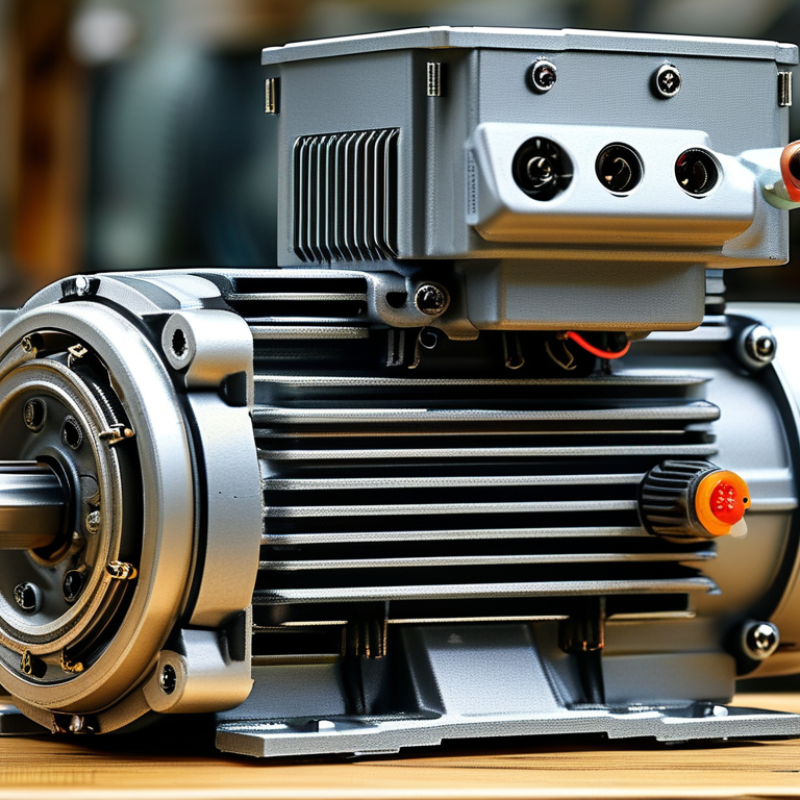
Understanding the Basics of PMDC Motors and Their Applications
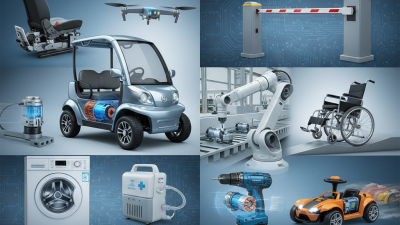
PMDC motors, or Permanent Magnet Direct Current motors, are often used in various applications due to their efficiency and reliability. These motors feature a permanent magnet field, which simplifies their design and enhances performance. Many industries utilize PMDC motors for tasks like robotics, electric vehicles, and automation systems. Understanding their basic functions is crucial for selecting the right motor for specific projects.
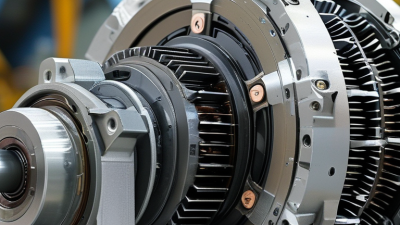
The construction of PMDC motors typically consists of a rotor, stator, and commutator.
The rotor spins inside a magnetic field, producing motion. They are known for their excellent torque-to-weight ratio, which is important for lightweight applications. However, some challenges exist, such as overheating and limited speed range. Recognizing these aspects allows users to make informed decisions when choosing a motor.
When considering a PMDC motor, assess the required voltage and current levels. It is essential to align motor specifications with application needs. The wrong choice can lead to inefficiency or failure. Ultimately, a solid understanding of PMDC motors will empower users to optimize performance and meet project demands.
Identifying Your Power Requirements for PMDC Motors
When selecting a Permanent Magnet Direct Current (PMDC) motor, understanding your power requirements is crucial. Start by determining the operating voltage that matches your application. Motors come in various voltage ratings, typically ranging from 6V to 48V. Selecting the right voltage ensures optimal performance and longevity. It’s vital to assess any voltage fluctuations that could affect the motor's efficiency.
Next, consider the torque necessary for your application. Higher torque is necessary for tasks requiring more force or load. Calculating the required torque can involve understanding the weight and resistance encountered during operation. Neglecting this detail can lead to underperformance or overheating.
Additionally, think about the speed requirements. PMDC motors are versatile, offering various speed ratings based on their design. Achieving the desired rate is essential for projects with precision timing. Reflect on what happens if the speed is too low or too high. This could lead to operational failures or inefficiencies. Balancing voltage, torque, and speed is key to finding the ideal PMDC motor for your needs.
Assessing Speed and Torque Needs for Optimal Performance
When choosing a PMDC motor, understanding your speed and torque needs is crucial. Speed determines how fast the motor can operate. Torque, on the other hand, measures the motor's ability to do work. If a motor can’t deliver the required torque at desired speeds, it will likely underperform. Analyze the application. Is high torque needed for starting heavy loads? Or is consistent speed the priority for your process?
Tips to assess these needs include calculating the load requirements. Consider how often your application changes speed. Sometimes, a large motor may seem ideal, but it might be overkill. This could lead to inefficiencies. On the flip side, a smaller motor may not sustain the necessary torque levels, risking damage or failure. It’s essential to find the balance based on realistic operational scenarios.
Another useful approach is to look into the duty cycle of your tasks. Continuous operation may require different motor specifications compared to intermittent use. Evaluate how long and how often the motor runs. Reflection on these operational needs will help make a more informed decision, ensuring durability and efficiency in your motor selection. What works in theory may not hold in practice; thorough testing and feedback are vital.
Evaluating Motor Size and Form Factor for Your Project
When choosing a PMDC (Permanent Magnet DC) motor, understanding size and form factor is crucial for your project. The motor's physical dimensions directly impact its installation and integration. Consider where you plan to mount the motor. Will it fit in the designated space? Assessing the available area can prevent future complications.
Weight also matters. A motor that is too heavy may strain the structure of your device. Think about the ratio of power to weight; sometimes, a compact motor can deliver the performance you need without being bulky. However, be cautious of sacrificing power for size. You might end up with a motor that cannot meet your project demands.
Another detail to reflect on is the shaft configuration. Different projects require different shaft lengths and diameters. Ensure that your selected motor aligns with gear arrangements and other moving parts. It’s easy to overlook these specifications. Yet, ignoring them can lead to misalignment and mechanical failure. Always double-check dimensions before making a commitment.
How to Choose the Best Pmdc Motor for Your Needs? - Evaluating Motor Size and Form Factor for Your Project
| Motor Type |
Voltage (V) |
Current (A) |
Power (W) |
Size (mm) |
Weight (kg) |
| PMDC Motor A |
12 |
1.5 |
18 |
50 x 70 |
0.5 |
| PMDC Motor B |
24 |
2.0 |
48 |
60 x 80 |
0.8 |
| PMDC Motor C |
36 |
3.0 |
108 |
70 x 90 |
1.2 |
| PMDC Motor D |
48 |
4.5 |
216 |
80 x 100 |
1.5 |
| PMDC Motor E |
72 |
6.0 |
432 |
90 x 110 |
1.8 |
Comparing Quality and Price Among Different PMDC Motor Brands
When comparing PMDC motors, quality and price often vary significantly across different brands. The first step is to understand your specific requirements. Factors like torque, speed, and environmental conditions will influence your choice. A reliable source of information is the recent industry report by the Electric Motor Association, which indicates that performance can vary by as much as 30% among similar models from different manufacturers.
Cost is another crucial element. A study showed that while budget motors may seem appealing, they often have a shorter lifespan. In fact, less expensive models may need replacement every one to two years, increasing long-term costs. Investing in a higher-end motor might result in better reliability and lower maintenance costs over time. Evaluating warranty options is essential, as a longer warranty often signifies trust in the product's longevity.
Brands also differ in customer support and service availability. Some manufacturers prioritize after-sale service, enhancing user satisfaction. According to a survey, 70% of customers reported that effective technical support influenced their purchasing decisions. Examine user reviews and expert opinions to gauge the performance and durability of various PMDC motor models before making a final decision. Balancing quality and price through a thorough assessment can lead to a more informed and satisfactory choice.